
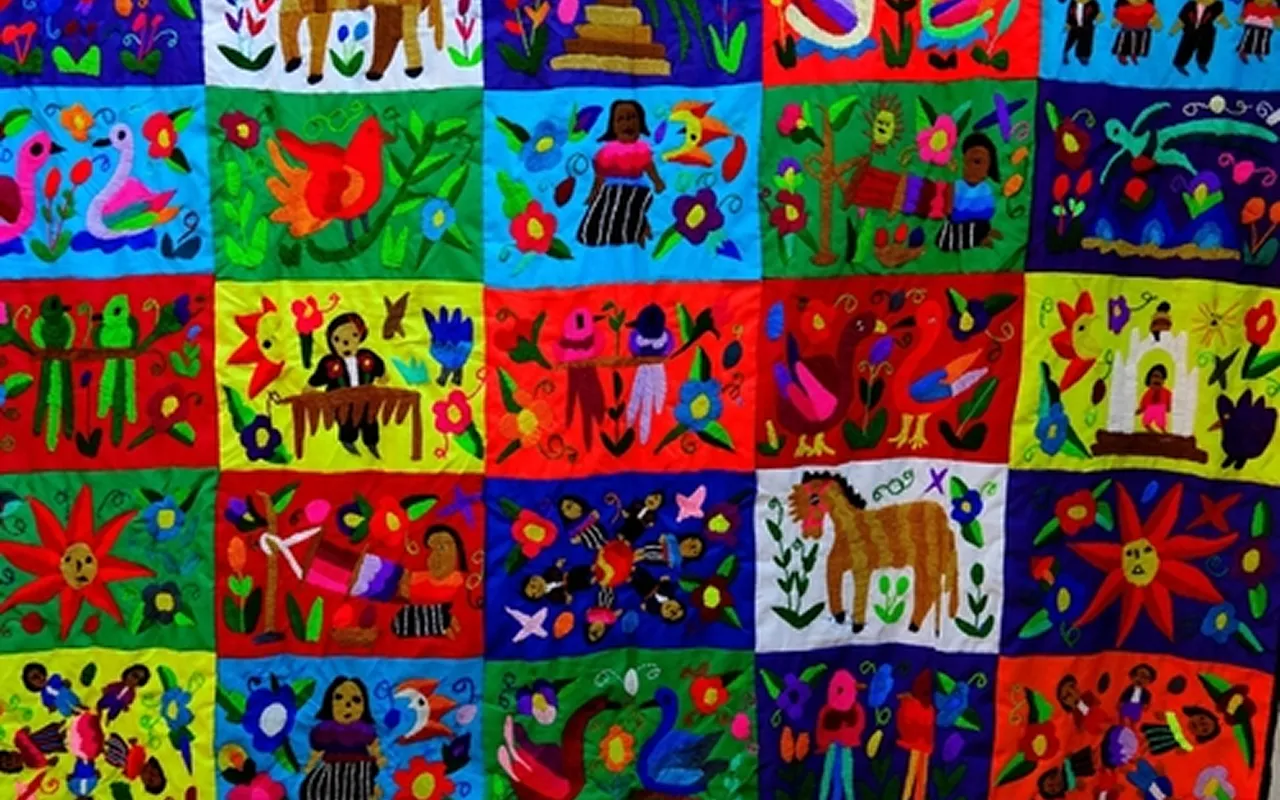
For years, it was thought that to reach international markets, small producers had to look as much like large companies as possible. The experience of the cooperatives in the Verapaces points in a different direction: competition is more effective when exporting with identity, when the product carries its origin, its culture, and the way it was produced.
Origin as Value
Today, those who buy cardamom, coffee, cocoa, or spices in demanding markets want to know where they come from, who grew them, and under what conditions. This question, which is a challenge for many, is an advantage for a cooperative: behind every batch are Q’eqchi’ and Poqomchi’ communities, agroforestry plots, and an organization that can respond with facts.
The cocoa from our cooperatives, for example, is grown in territories with a living Mayan heritage. Chirrepec tea is inseparable from the community that produces it. This history is not a commercial ornament: it is part of the product.
What Is Needed to Compete
Identity opens the door, but it is not enough. To remain in an international market, constant quality, volume, food safety, and compliance are required. This is where the cooperative organization makes the difference: it allows for collecting, classifying, and processing in its own plants, offering different qualities and adding value at the source with services such as milling and steam sterilization.
It also allows for maintaining the certifications—organic, fair trade, food safety, and quality—that buyers demand, and guaranteeing traceability from the plot to the shipment.
A Federation as a Bridge
FEDECOVERA fulfills that role as a bridge between producers and the international market. It gathers the production of its cooperatives, transforms it, and markets it, so that the value generated returns to the communities in the form of better prices, services, and opportunities.
Exporting with identity means, in the end, not having to choose between being competitive and being who we are. Cooperatives can go far precisely because they know where they come from.