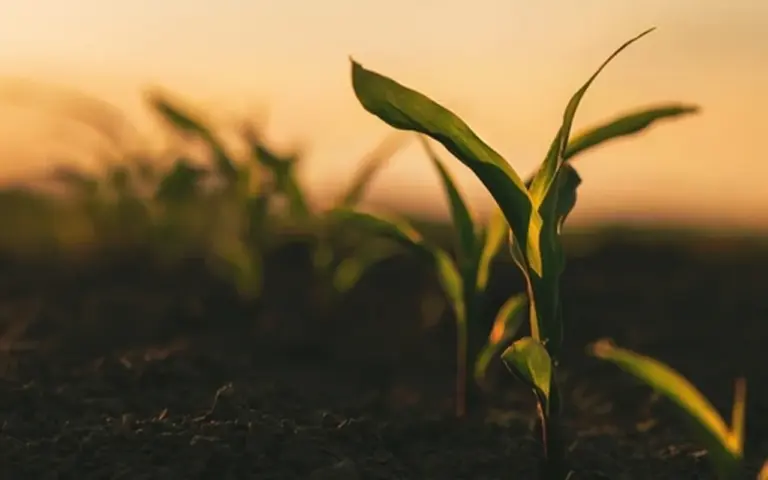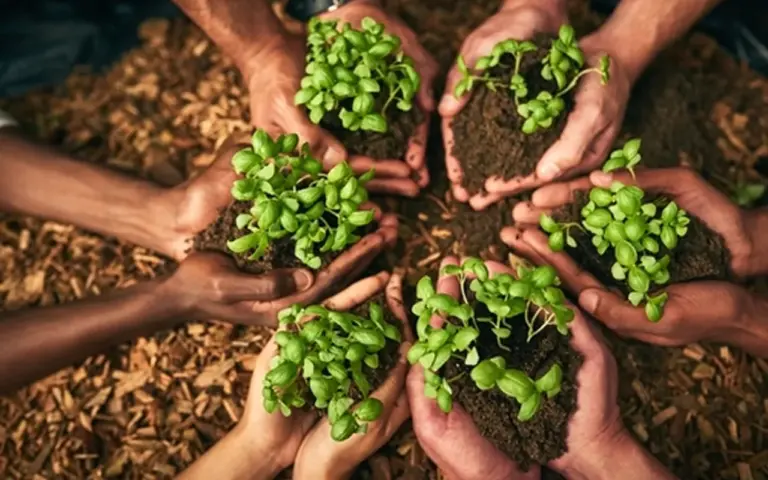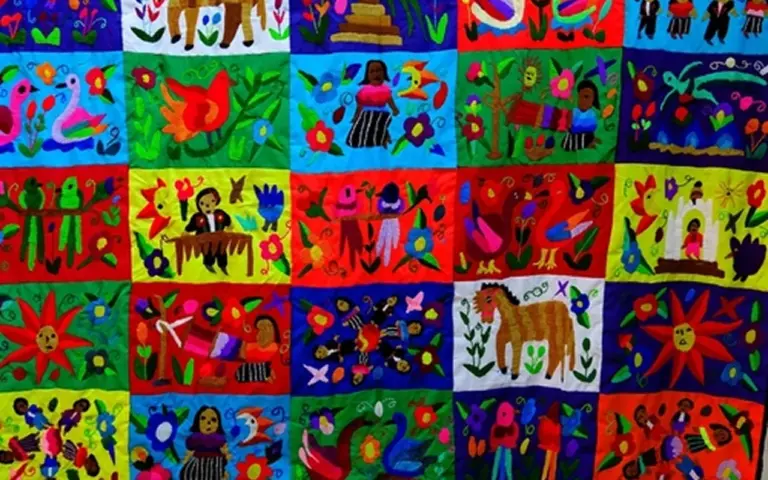

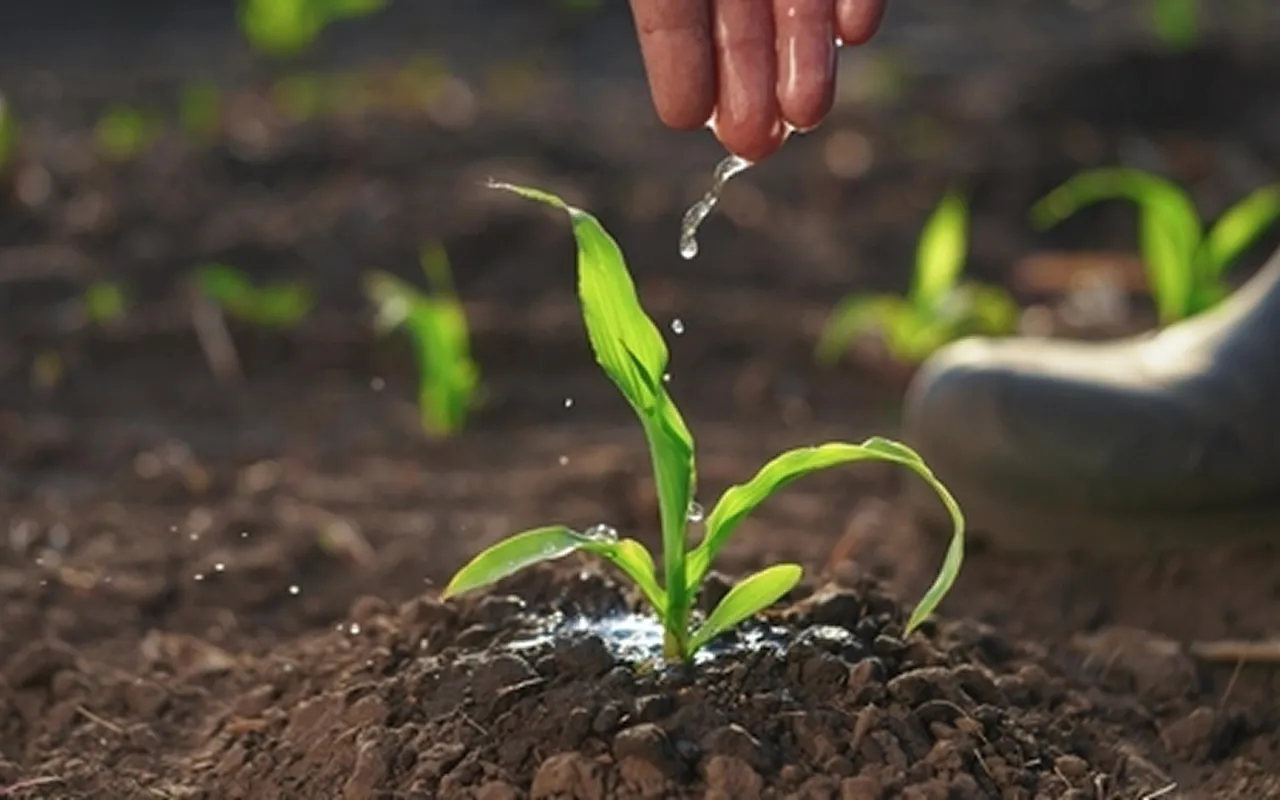
No community becomes sustainable because someone orders it to be. Standards and certifications help, but the sustainability that lasts is different: it is the one a community decides on, tests, adjusts, and eventually makes part of its way of life. Like a crop, it needs time, care, and the right conditions to grow.
Starting with what people already know
Families in the Verapaces have been caring for the land for generations. Planting under shade, combining crops, protecting water sources: much of what is called sustainable agriculture today was already part of their practice. The work of the cooperatives has not been to replace that knowledge, but to strengthen it with technical assistance, research, and better tools.
When a new practice is added to what the community already values, it is adopted with conviction. When it arrives as an imposition, it lasts only as long as the project that brought it.
Experiences that take root
This is how, for example, FEDECOVERA’s forestry work has grown. Since 1996, its nursery has supplied cooperatives with forest and agroforestry plants, and reforestation has been integrated into the families’ production systems: the forest does not compete with the crop, it accompanies it.
The same occurs with organic production. The transition did not happen overnight or due to external demands: it was built cooperative by cooperative, with training, inputs produced in their own bio-factory, and the certainty that caring for the soil is caring for tomorrow’s income.
And with diversification. Adding cocoa, turmeric, or allspice to cardamom and coffee was not just a commercial decision; it was a way to provide stability to families and to make better use of each plot.
What these experiences teach
Cooperative experiences leave a simple lesson: sustainability is sustained when it generates well-being. When protecting the forest also means better income, access to health, education for children, and a place for young people in their community, it stops being a burden and becomes their own project.
That is why, rather than imposing goals, at FEDECOVERA we prefer to sow conditions: organization, knowledge, and opportunities. The rest, as in the field, comes with patience and shared work.