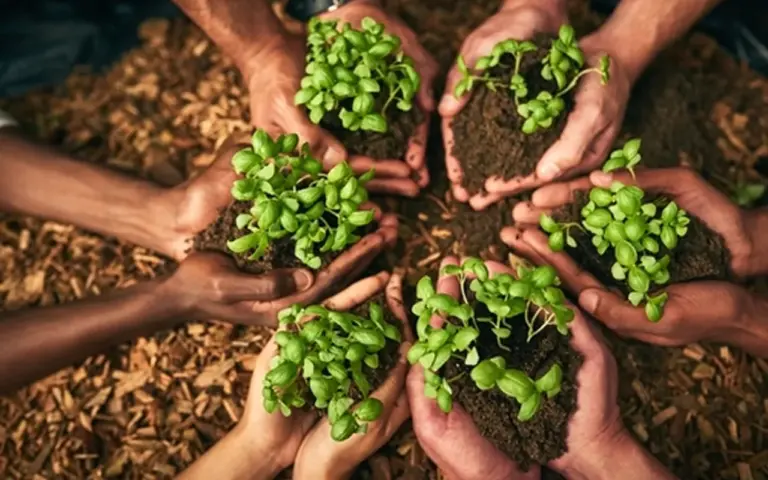

For a long time, sustainability was discussed as an individual decision: what each producer does or doesn’t do on their plot. In the Verapaces, we have learned something different. Caring for the soil, water, and forest is a task too large for a single family, and too important to leave to chance. That’s why we take it on together.
What a Single Plot Cannot Achieve
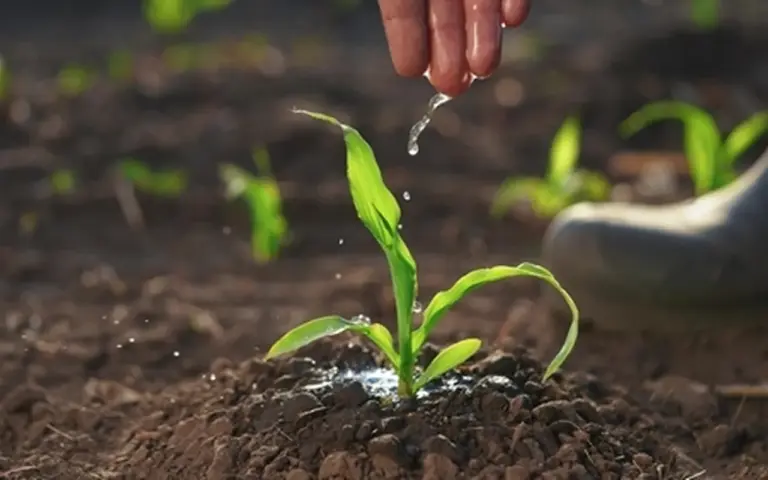
A small producer can hardly afford an organic certification, a soil analysis, or the plants needed to renew their crop on their own. Organized into a cooperative, they can. Certification is managed as a group, the laboratory and bio-factory work for everyone, and the nursery produces millions of forest and agroforestry plants each year that reach the communities.
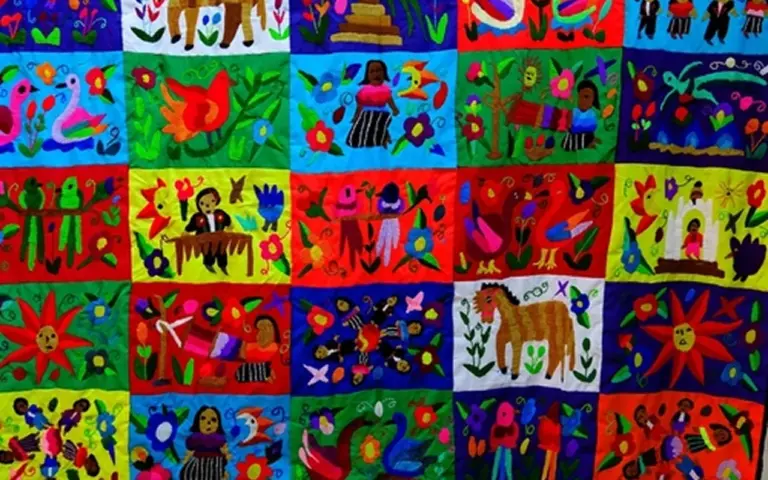
This is the purpose of a federation like FEDECOVERA: to make accessible to thousands of Q’eqchi’ and Poqomchi’ families what none could achieve individually. Technical assistance, organic inputs, collection, processing, and market access are all part of the same system, and that system belongs to those who produce.
Producing Under the Forest Canopy
The cardamom, coffee, and cocoa from our cooperatives grow in agroforestry systems, under the shade of other trees. This is not just a technical detail: it is a production method that conserves moisture, protects the soil from erosion, provides refuge for biodiversity, and diversifies family income.
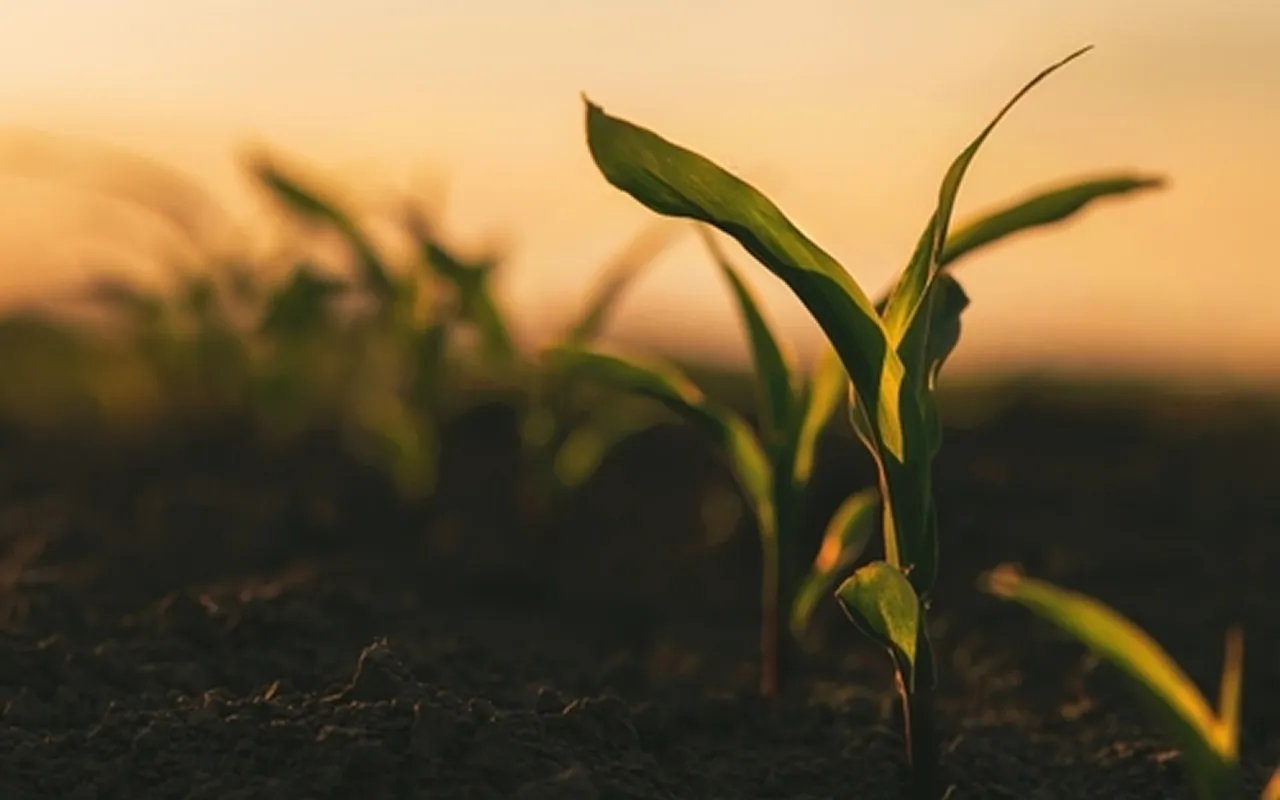
When an entire community adopts this model, the effect is no longer measured in plots but in landscapes: hillsides that recover, water sources that are maintained, and forests that reconnect.
Deciding Together is Also Sustainability
Collective sustainability is not limited to environmental aspects. It also lies in how decisions are made. In a cooperative, priorities are discussed in assembly, and benefits remain within the community: they are transformed into health services, scholarships, training, and new opportunities for women and youth.
That’s why we say that what we harvest is not just products. When sustainability belongs to everyone, it ceases to be a market requirement and becomes a shared life project, designed for future generations.